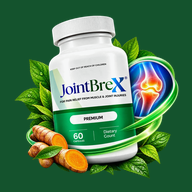
Ingredients
Two words, one golden spice
Turmeric and curcumin get swapped in conversation all the time. A friend says she takes curcumin, a cookbook calls for turmeric, and a label says both. It is no wonder people feel unsure.
The good news is that the relationship is simple once you hear it laid out. Turmeric is the whole ingredient. Curcumin is a part of it. On the JointBrex label the entry reads turmeric containing curcumin, which captures exactly that idea.
Let us walk through what each word means, where the spice comes from and how it fits into a daily routine.
By the end of this guide you should be able to read the word curcumin on any label and know exactly where it fits.
Turmeric: the root behind the colour
Turmeric comes from the rhizome, or underground stem, of a leafy plant called Curcuma longa. It is a relative of ginger, and if you have ever peeled a fresh piece you know it stains fingers, chopping boards and white shirts a vivid orange-yellow.
The plant has been grown across South Asia for thousands of years. It is a staple in curries, golden milk, pickles and rice dishes, and it also has a long place in traditional home practices. Those are cultural facts, not promises about outcomes.
Ground turmeric as sold in a spice jar is mostly the dried, powdered rhizome. It contains a mix of natural substances, including oils, fibre and a group of golden pigments.
If you want to see it for yourself, grate a little fresh turmeric root and watch the colour deepen. That vivid shade is a visible reminder of the pigments inside, curcumin among them.
Curcumin: the pigment people talk about
Curcumin is the best-known of those golden pigments. It is the main reason turmeric is so brightly coloured, and it is the compound that most people mean when they talk about turmeric in a supplement context.
Here is an easy way to remember the relationship:
Because curcumin is the compound that gets the attention, you will see it highlighted on plenty of products. The JointBrex wording, turmeric containing curcumin, is a straightforward way of naming both the source and the compound without overstating anything.
- Turmeric is the whole root, dried and ground.
- Curcumin is one of the natural compounds found within it.
- A label that reads turmeric containing curcumin is telling you the root ingredient includes that pigment.
- Amounts matter, so the Supplement Facts panel on the bottle is the place to check specifics.
Why turmeric is in a joint comfort formula
Everyday joint comfort products often look to botanicals with a long record of use. Turmeric is among the best known. According to the brand, it joins boswellia extract as the plant-based half of the JointBrex formula, working alongside glucosamine sulfate, chondroitin sulfate, MSM and bromelain.
We would rather be honest than dramatic. A capsule cannot guarantee how you will feel, and individual experiences vary. What turmeric offers here is a place in a combined formula designed to support everyday movement, together with movement itself.
If you already cook with turmeric, think of the capsule as a different route, not a replacement for a healthy plate.
It also helps to remember that everyday comfort is built from many small things. A varied diet, a regular walking habit and a good night of sleep matter as much as any single ingredient, and probably more.
The six-ingredient approach also means you are not asking turmeric to do everything. It is one voice in a group, which is how the brand describes the design of the formula.
Kitchen turmeric versus a capsule
Sprinkling turmeric over roast vegetables is delicious, and there is no reason to stop. But the amount you would get from a pinch in a meal is not the same as what is concentrated into a supplement, and the capsule format is simply a convenient, consistent way to include it.
A few kitchen ideas for the curious:
- Stir a spoonful into soups and stews near the end of cooking.
- Toss it with cauliflower or potatoes before roasting.
- Warm it gently in milk or a plant-based alternative with a little cinnamon.
- Add a pinch to scrambled eggs or rice for colour.
Making the daily routine simple
The suggested use is 2 capsules daily, preferably before a meal, with a full glass of water. All six ingredients, turmeric included, are in the same capsule, so there is nothing to mix or measure.
Keep your routine light. A short stroll after meals, a few gentle stretches at the start of the day and plenty of water all pair naturally with a capsule habit. These are the small choices that tend to add up over weeks.
If you enjoy tracking habits, a simple calendar tick each day works well. After a few weeks the routine tends to run itself.
What to know before you buy
JointBrex is produced in the USA in an FDA-registered facility, with GMP, natural and GMO free badges. A bottle holds 60 capsules, enough for 30 days. The 3-bottle pack gives you 90 days for $177 with free US shipping, and the 6-bottle pack covers 180 days for $294, also with free US shipping.
Orders of 3 and 6 bottles include five free digital guides to read: the Nerve Renew Guide, Natural Nerve Recovery, Fortifying Vitamins, the Renewed Nerves Challenge and the Personalized Usage Guide. They are lifestyle reading guides.
A 60-day money-back guarantee applies, with refund requests accepted after at least 30 days of use. It is a one-time purchase with no automatic renewals or hidden fees.
Quick questions
Is curcumin the same as turmeric?
No. Turmeric is the whole root ingredient, while curcumin is one of the natural compounds found within it. The JointBrex label lists turmeric containing curcumin.
Can I get the same thing from cooking with turmeric?
Cooking with turmeric is a lovely addition to meals, but a capsule is a different format. The exact amounts in JointBrex are printed on the bottle label.
When should I take the capsules?
The brand suggests 2 capsules daily, preferably before a meal, with a full glass of water.
Your JointBrex routine starts with one order
Choose 1, 3 or 6 bottles, from $49 each. The 3 and 6 bottle packs add free US shipping and five free digital guides.